
CSAT vs. NPS: Which Metric Should You Use to Measure Customer Experience?
Customer feedback is the backbone of any business striving for long-term success. Two of the most widely used metrics in customer experience measurement are Customer Satisfaction Score (CSAT) and Net Promoter Score (NPS). But which one is right for your business? And more importantly, how can you use them effectively to drive growth? In this guide, we’ll break down CSAT vs. NPS, when to use each, and how to choose the right solution based on your business goals.
What is CSAT?
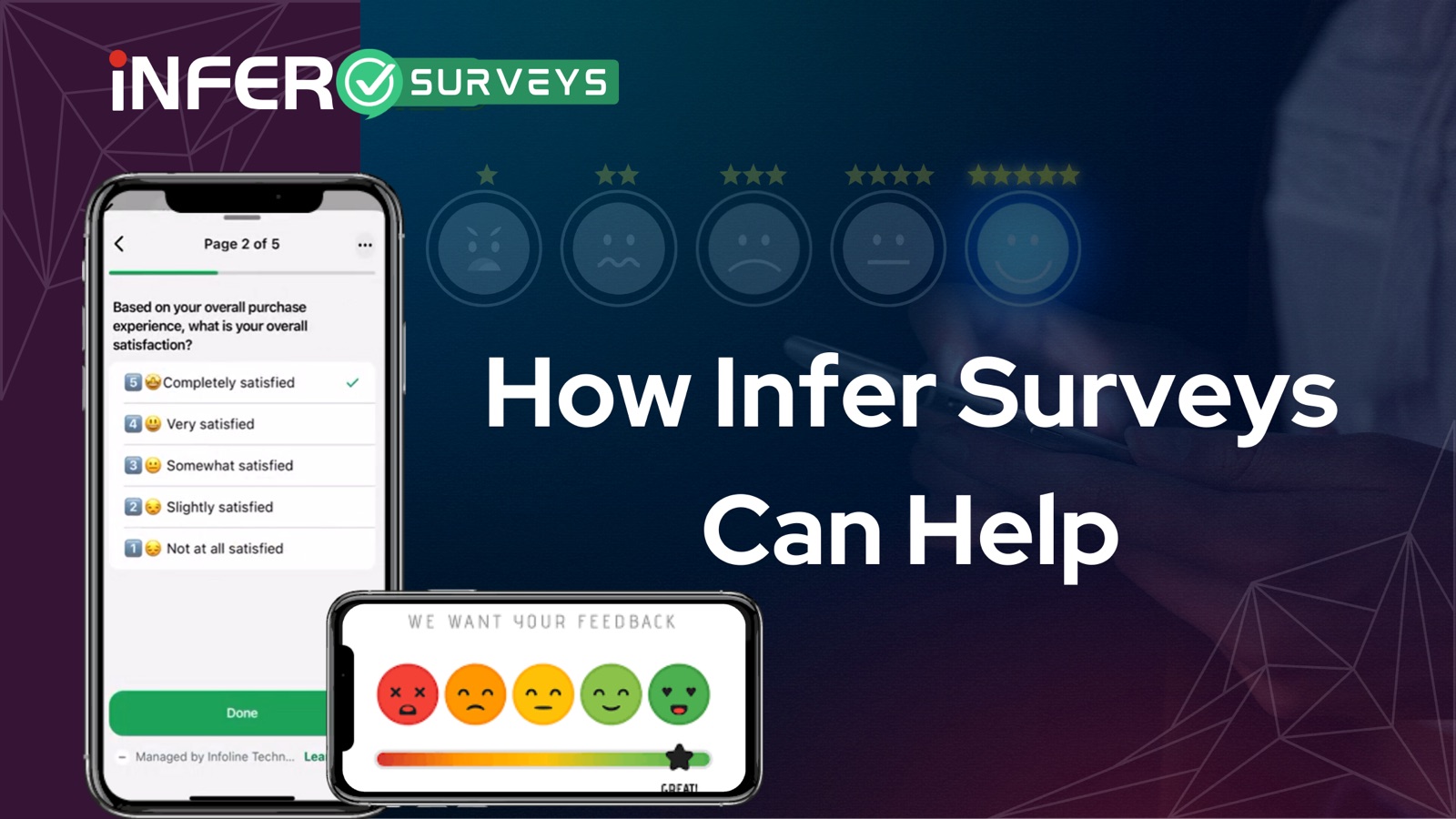
CSAT (Customer Satisfaction Score) is a metric that measures how satisfied customers are with a specific interaction, product, or service. It is usually measured through a single question like:
“How satisfied were you with your experience today?”
Customers respond using a scale, often from 1 to 5 (Very Unsatisfied to Very Satisfied) or 0 to 10, with higher scores indicating higher satisfaction.
When to Use CSAT:
- After a customer service interaction
- Post-purchase feedback
- Feature or product updates
- Website or app usability testing
Pros of CSAT:
- Simple and easy to implement
- Helps identify short-term satisfaction trends
- Can pinpoint specific pain points in the customer journey
Cons of CSAT:
- Doesn’t predict long-term customer loyalty
- Results can be influenced by recent experiences
What is NPS?
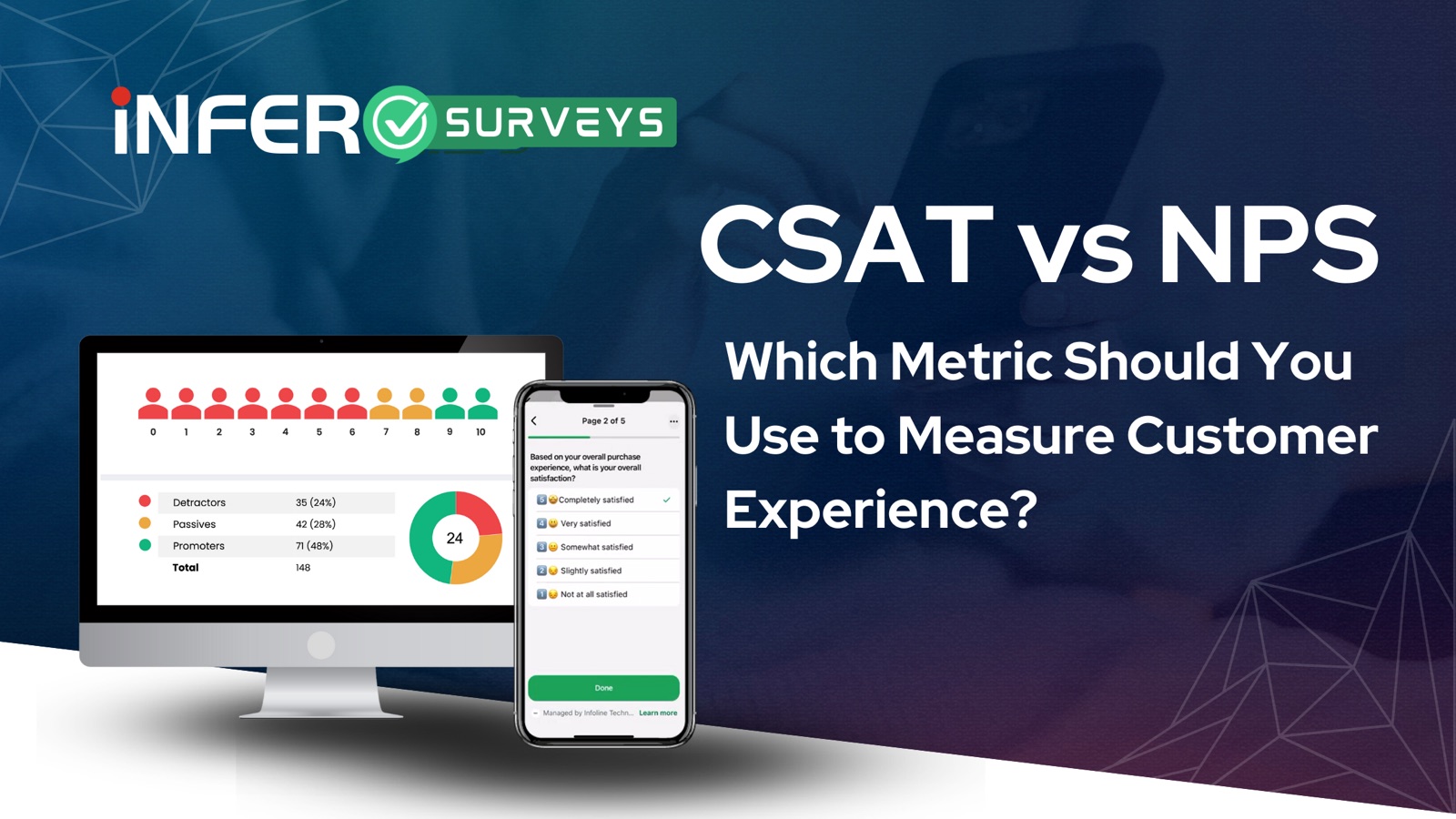
Net Promoter Score (NPS) measures customer loyalty and the likelihood of customers recommending your business. The standard question is:
“On a scale of 0-10, how likely are you to recommend us to a friend or colleague?” Based on responses, customers are categorized into:
Promoters (9-10): Loyal customers who advocate for your brand
Passives (7-8): Neutral customers who are satisfied but not enthusiastic
Detractors (0-6): Unhappy customers who may damage your brand reputation
NPS is calculated as:
NPS = % Promoters - % Detractors When to Use NPS:
- Measuring brand loyalty
- Predicting customer retention & referrals
- Identifying promoters for advocacy programs
- Benchmarking against competitors
Pros of NPS:
- Predicts long-term customer loyalty
- Easy to benchmark over time
- Provides a big-picture view of customer perception
Cons of NPS:
- Doesn’t explain why customers gave a particular score Less useful for identifying short-term operational issues
CSAT vs. NPS: Which One Should You Use?
- Use CSAT if: You want immediate feedback on specific touchpoints, such as a recent support interaction, product experience, or service encounter.
- Use NPS if: You want to gauge long-term customer loyalty and measure overall brand perception.
Best Practice: Many businesses use both CSAT and NPS together for a complete view of customer experience. CSAT identifies short-term wins or issues, while NPS provides a strategic outlook on brand health.
Finding the Right Solution for Your Business Selecting the right feedback tool depends on your goals. Here’s a quick guide:
Want to improve customer service? → Use CSAT to assess service interactions.
Need to build long-term loyalty? → Use NPS to track brand perception.
Want to optimize a product? → Use CSAT to understand specific feature satisfaction.
Launching a new business or rebranding? → Use NPS to measure overall customer sentiment.
How Infer Surveys Can Help
At Infer Surveys, we help businesses collect actionable feedback with CSAT & NPS surveys that integrate seamlessly into your workflow. Here’s why businesses trust us:
- AI-driven insights to analyze and predict customer trends
- Automated survey distribution across email, SMS, and in-app notifications
- Customizable survey templates for fast implementation
- Real-time reporting & analytics to drive data-backed decisions
Want to see how it works? Try Infer Surveys today and start improving your customer experience.
Contact us for a free demo or sign up for a trial!